
When you are choosing between an affordable home, a serviced apartment and a commercial property in Malaysia, start with the purpose of the purchase, then compare eligibility, tenure, monthly costs and how you will pay for it. The first path in this guide is an affordable home, then apartments, then commercial space.
The notes below are a comparison checklist for buyers and investors. They are not a ranking of named developers, and any figure you see on a brochure should be confirmed in writing because rules and prices change.
Affordable homes: eligibility before the brochure
An affordable home is usually a house or unit sold under a government or state scheme, or in a price band aimed at first-time and middle-income buyers. One overview of affordable housing in Malaysia treats price, location and facilities as the obvious differences, and reminds readers that the article is a general guide, not legal or financial advice.
Eligibility often depends on citizenship, household income and whether you already own a home. The official PR1MA frequently asked questions set out the current checks for that scheme, including income and ownership limits. Those rules can change, so read the live page before you apply, and do not assume every “affordable” launch uses the same criteria.
The Ministry of Housing and Local Government is the federal ministry for housing policy. Use it as a starting point for official housing information, then confirm the specific scheme that applies to the project you are looking at.
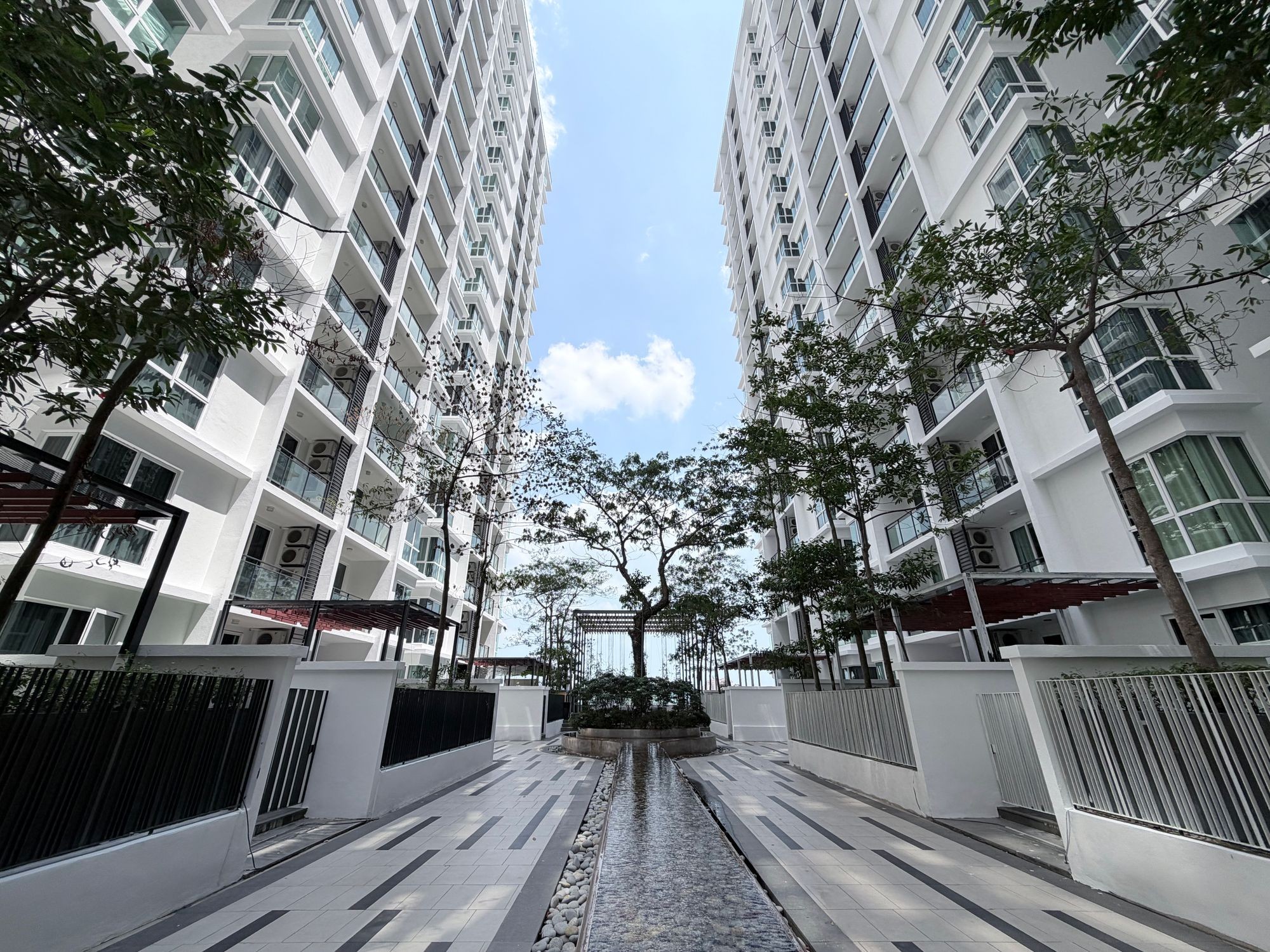
Apartments and serviced apartments: costs beyond the purchase price
An apartment and a serviced apartment can look similar in a listing, but the monthly bill is often the real difference. Service charges, sinking funds, parking and, in some buildings, a hotel-style operator fee sit on top of the loan instalment. A developer homepage that also lists apartments is a place to compare product types, not a substitute for the strata title, the maintenance schedule and the house rules.
Ask whether the unit is freehold or leasehold, what the built-up area actually includes, and whether the building is already occupied. A quiet block and a busy serviced residence can have very different rental demand and very different fee levels. Get the current charge in writing, and ask how often it has been raised.
Commercial property: treat it as a business decision
A shop office, retail lot or business suite is bought for income or for a trade, not only for a place to live. A commercial property investment guide currently frames these assets as cash-flow decisions, and notes that financing terms often differ from a home loan. Confirm that on the loan offer you actually receive.
Compare the catchments: who will walk past the lot, what competing shops already exist, and whether the title allows the use you have in mind. Vacant possession, renovation rules and rental demand matter more than a yield figure printed in a brochure. If you will occupy the space yourself, treat fit-out cost as part of the purchase, not as an afterthought.
Financing, tax and a simple comparison table
Residential and commercial loans are not interchangeable. Banks look at your debt service ratio, the margin of finance, and whether the property is for a first home or for investment. Stamp duty, legal fees and, later, any real property gains tax sit with the tax authority. Do not rely on a remembered rate. Check the current treatment for your own case, because the figures change.
Industry briefings from the Real Estate and Housing Developers’ Association can explain how product types are usually described, but they do not replace a title search or a formal loan offer.
| What to compare | Affordable home | Apartment or serviced apartment | Commercial lot |
|---|---|---|---|
| Purpose | Usually a place to live, often under a scheme | Live in, rent out, or a mix of both | Trade, office use or rental income |
| Eligibility | Scheme rules on income and ownership; confirm on the official page | Fewer scheme caps, but loan and bumiputera lots may still apply | Use of the title and planning consent matter more than a home scheme |
| Ongoing cost | Quit rent, assessment, upkeep | Service charge, sinking fund, parking, sometimes an operator fee | Service charge, fit-out, and periods with no tenant |
| Financing | Usually a home loan, subject to the bank’s checks | Home or investment loan, depending on use | Often a commercial loan with different margins |
A first-time buyer briefing on down payment, borrowing and transaction costs in Malaysia, from KCLau’s Money Tips. Use it for the homework steps, not as a recommendation of any one project.
Frequently asked questions
Is every home advertised as affordable a PR1MA unit?
No. PR1MA is one official scheme with its own eligibility rules. Other state or developer launches may use the word “affordable” with different income caps and conditions. Read the scheme that applies to that project.
Why do serviced apartments cost more to hold than they first appear?
The purchase price is only part of the bill. Service charges, sinking funds and, in some buildings, an operator fee are paid every month, and they can rise after you move in.
Can I use a home loan to buy a shop office?
Not always. Commercial lots are often financed on commercial terms, with a different margin and a different assessment. Ask the bank to put the product type in writing before you pay a booking fee.
Where should I check tax and stamp duty?
Start with Lembaga Hasil Dalam Negeri for the current treatment, and confirm the amount with your lawyer for the specific SPA. Published rates change, so do not rely on a figure you remember from an earlier purchase.
